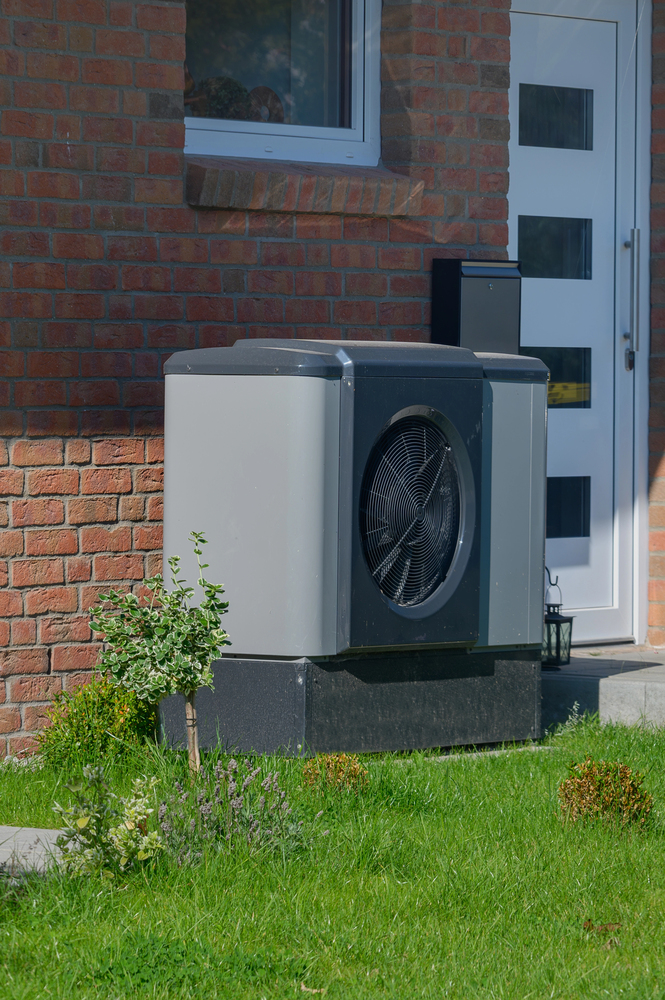
The question is no longer whether to change the climate control system, but when and how to do it. The aerothermal vs gas boiler debate has become central in homeowners' associations and homes throughout Spain, driven by increasingly demanding European regulations and a boiler park that is starting to show signs of wear. In this article, we review what has changed in 2026, when the switch to a heat pump really pays off, and what obligations communities have today regarding air conditioning maintenance.
2026, the Turning Point for Residential Climate Control
The European Union has long been setting the course: the regulation establishes that the installation of gas boilers in new homes will not be subsidized from 2026. This is coupled with a regulatory change in construction itself: no new building can incorporate thermal systems that use fossil fuels, so a home built from 2026 cannot install a gas boiler for heating or DHW. However, the regulation does not require replacing current boilers, so existing systems can continue to operate normally, giving communities and homeowners time to plan the change without rushing. Additionally, the recent RDL 7/2026 adds an extra incentive: its article 9 orders the Government to approve correction coefficients that multiply the certifiable savings when an electric heat pump replaces a combustion boiler, with an increase for vulnerable households.
Aerothermal vs Gas Boiler: What the Real Comparison Says
The decision largely depends on the relative price of energy. With typical domestic prices in Spain, the ratio between the electric kWh and the gas kWh usually ranges from 2 to 2.5 times, but this difference is more than compensated by the equipment's performance: modern heat pumps with SCOP 4.0+ produce 4 thermal kWh for every electric kWh consumed, with better performance with underfloor heating than with traditional radiators. In the specific case of Catalonia, the climate is favorable: the mild climate means the pump operates in optimal conditions most of the year, maximizing savings, with an estimated savings of between €400 and €600 annually compared to a gas boiler in a 100 m² home. However, caution is advised before generalizing: a poorly insulated home with very high demand and traditional radiators may require an envelope change or hybrid system before pure aerothermal.
Heat Pump in Homes: Benefits Beyond the Bill
Those who have already made the switch highlight benefits that don't always appear in the economic comparison. One of the less discussed is indoor air quality: modern equipment integrates filtration and humidity control systems that conventional boilers simply don't have, which is especially notable in homes with allergic or respiratory issues. The combination with solar energy is also consolidating: the combination of aerothermal with photovoltaic solar panels is becoming a common formula, generating part of the electricity to power an already efficient system. But insulation remains crucial: if the house loses a lot of heat through windows or the envelope, the aerothermal will work harder and save less, so sometimes it's worth combining the installation with small insulation improvements. For buildings where replacing the entire installation is not feasible in the short term, hybrid systems are gaining ground: the result is a reduction of between 25% and 45% in gas consumption, with a lower initial investment than installing pure aerothermal.
Air Conditioning Maintenance in Communities: What Changes in 2026
Beyond heating, communities have specific obligations regarding air conditioning that should not be overlooked. On one hand, the European fluorinated gases regulation tightens the maintenance of the existing park: from January 1, 2026, it is prohibited to use fluorinated greenhouse gases with a GWP equal to or greater than 2,500 for the maintenance or inspection of air conditioning equipment and heat pumps, a measure that particularly affects the maintenance of the existing park. On the other hand, centralized systems remain subject to health control: legionella prevention is strictly regulated by Royal Decree 487/2022, which requires owners of risk installations to carry out periodic maintenance, disinfection cleanings, and laboratory analyses. In terms of coexistence, the reform of the Horizontal Property Law has simplified procedures: since the LPH reform in 2026, a simple majority is enough when the installation improves the building's energy efficiency, compared to the qualified majority of three-fifths previously required. However, maintenance responsibility remains individual: the owner who requested and installed the air conditioning is responsible for all maintenance costs, repairs, and any damages caused, even if the outdoor unit is located in a common element. Having a certified professional review both the F-Gas regulations and legionella prevention avoids surprises at the next homeowners' meeting; in the ForConnect directory, you can find specialized climate control installers for communities.
Practical Keys for Efficient Climate Control, With or Without Work
Not all improvements require replacing the entire system. Some low-cost actions make a real difference in consumption:
- Regularly check and clean filters and outdoor units, especially before each usage season.
- Schedule operating hours instead of keeping equipment running continuously.
- Consider hybrid systems when replacing the entire installation is not feasible in the short term: in 2026, hybrid systems are also favored when the home requires it, maintaining a boiler as support with a clear consumption reduction approach.
- Request a technical study before deciding between aerothermal, heat pump, or hybrid system, as the result depends on insulation and existing emitters.
- Coordinate mandatory inspections of common installations in meetings to avoid incidents and penalties.
Making the right decision between aerothermal, gas boiler, or a hybrid system requires evaluating the building's condition, the real use of the home, and the current regulatory framework, which continues to evolve. If your community or home needs a professional diagnosis before taking the step, at ForConnect you can request a quote from verified climate control installers and compare options without obligation.