When a homeowners association faces an extraordinary expense due to a serious breakdown, there is almost always a common denominator: the absence of a well-structured building maintenance plan. It's not just about repairing when something fails, but anticipating with a clear inspection schedule for plumbing, electricity, HVAC, and elevators. In this article, we review what that plan should include, what inspections are legally required, and how to organize them without becoming a headache for property management.
What is a building maintenance plan and where does the obligation come from
Many communities are unaware that the requirement to have a maintenance plan is not a voluntary recommendation but a documentary obligation from the start. The Technical Building Code (CTE) establishes that every building must have a Maintenance Plan with usage instructions, which is part of the Building Book that the developer must deliver to the owners. The problem is that, over the years, that initial document becomes obsolete, gets misplaced during administrator changes, or simply is never updated with the building's actual installations.
Many homeowners associations face high extraordinary expenses precisely because they do not have a preventive maintenance plan, which turns any breakdown into an economic emergency instead of a predictable expense spread over time.
Inspection schedule by installation: what the regulations dictate
A good maintenance plan is not a generic list but a schedule adapted to each community installation, with periodicities that are often set by regulation.
Plumbing and water
The maintenance of community plumbing installations includes the inspection of shut-off valves, pressure groups, tanks, and, when there are risk elements such as cisterns or heated pools, specific legionella prevention programs. Although there is not always a single deadline set by law for all elements, failing to inspect them periodically is often the source of leaks, dampness, and breakdowns that end up leading to much more costly repairs.
Electricity
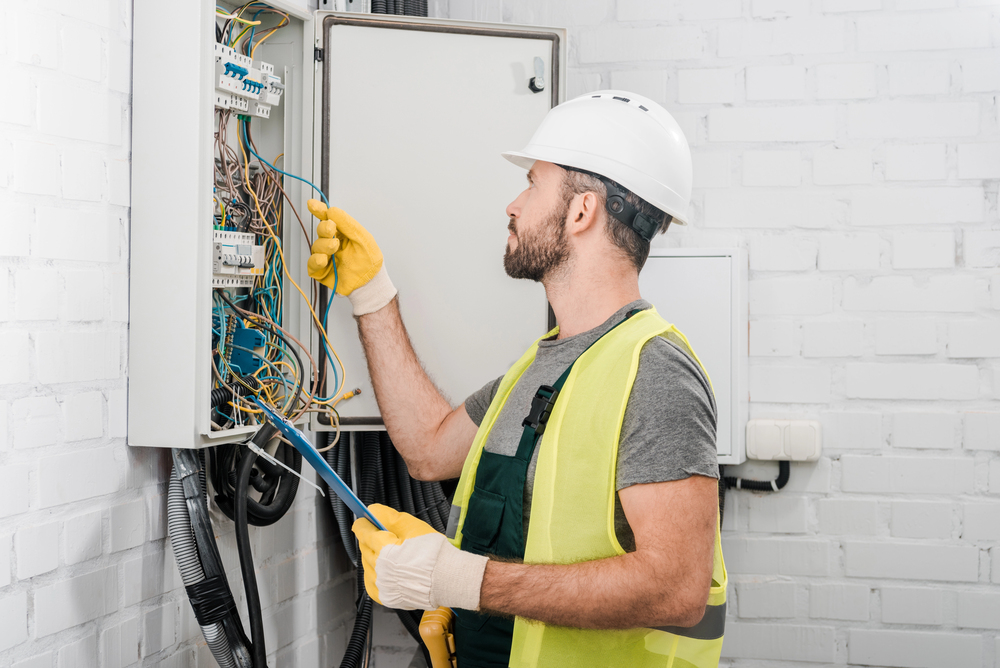
In community electrical installations, the regulations set deadlines according to the building's power and use. Under the Low Voltage Electrotechnical Regulation (REBT), certain community electrical installations must undergo periodic inspection by OCA based on their power and use. This is in addition to the recommendation of industry professionals: for a standard community, at least an annual preventive inspection of the main panel and common area protections is recommended, in addition to the OCA inspections required by regulations according to installed power and building uses. In buildings with a garage, pool, or electric vehicle charging point, the inspection should be at least annual and always documented with a report signed by a competent technician.
Elevators
It is the most regulated installation in the building and leaves little room for improvisation. Royal Decree 355/2024, which approves ITC AEM 1, made it clear that the owner of the device, that is, the community, can only keep it in service while it has maintenance contracted with an authorized maintenance company. Additionally, since Royal Decree 355/2024, in single-family homes and buildings with up to three stops, preventive maintenance inspections are carried out every four months, a fact that should be incorporated into the annual schedule without margin for error.
HVAC and gas
Community thermal and gas installations also have set deadlines: according to control bodies, the inspection of the community gas installation is usually necessary every five years in most cases, a relevant fact for buildings with centralized heating or hot water production.
What happens if the community does not have an up-to-date plan
Beyond the obvious risk of breakdowns, not having an organized maintenance plan can result in fines. In Catalonia, for example, the lack of mandatory inspections in older buildings carries severe economic consequences: the fine for not submitting the ITE in Barcelona can reach up to €90,000, notified to the president of the community, and can increase. Added to this are the additional costs of emergency repairs compared to scheduled interventions, and the strain it places on the administrator to manage constant incidents instead of planned inspections.
How to build an effective maintenance plan step by step
For the plan to work in the community's daily life, it is advisable to follow a simple structure:
- Inventory of installations: plumbing, electricity, HVAC, elevators, fire protection, and common elements such as garages or pools.
- Schedule by installation: inspection frequency of each element, differentiating those required by regulations from those recommended as best practice.
- Certified professionals: work with companies with the corresponding authorization for each type of inspection, especially in elevators and electricity.
- Documentary record: keep reports, certificates, and bulletins in an accessible history for the board and for future inspections like the ITE.
- Annual plan review: update it whenever a new installation is added or applicable regulations change.
Having a directory of trusted professionals greatly streamlines this task, as it allows coordinating inspections of different installations without relying on a single provider or wasting time searching for certified companies each time an inspection is due.
The next step for your community
A well-designed building maintenance plan does not completely eliminate breakdowns, but it does reduce their frequency, cost, and the risk of fines for regulatory non-compliance. If your community has not yet updated the inspection schedule for plumbing, electricity, HVAC, or elevators, now is a good time to get started. From ForConnect, you can request a quote from verified professionals to help you design and execute that plan in an orderly manner, without surprises or last-minute expenses.