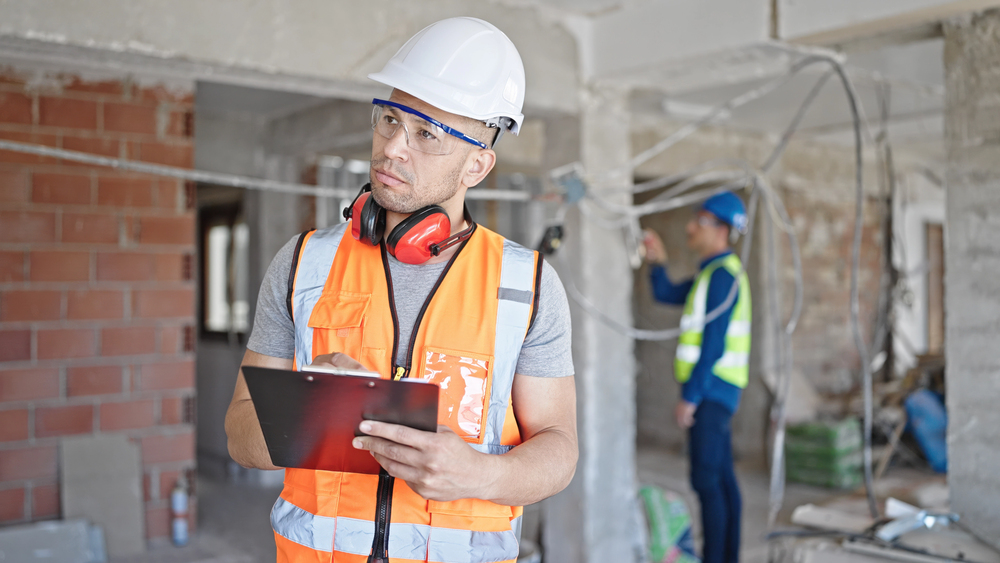
The digitization of property management has shifted from being a mere image concern to a real demand from owners and communities. More and more residents want to resolve an issue, check a budget, or talk to the administrator without relying on calls, scattered emails, or uncoordinated WhatsApp groups. The challenge is no longer to digitize an isolated process, but to connect the three actors involved in the daily life of a community: the administrator, the residents, and the professionals who carry out the work.
The data confirming the change in habits
The preference of property owners for digital channels is no longer an intuition but a measurable trend. 74% of community property owners in Spain prefer to communicate with their administrator through an app or web platform rather than by phone or email, according to the latest industry barometer. This data explains why offices still operating with traditional methods are beginning to notice the difference compared to those that have made the digital leap.
The impact is not only on the owner's perception. Spanish communities with more than 50 owners that adopt digital systems reduce the administrator's time by 60-70% and improve fee collection by 25-40% thanks to automated reminders. These figures alone justify the investment in digital tools, especially in offices managing an increasing volume of properties.
Three actors, one platform
True digitization is not about having one app for the administrator and another for the residents, but about creating an ecosystem where each party has its role:
- The administrator, who centralizes issues, budgets, and communications without relying on multiple scattered channels.
- The resident, who reports a breakdown, checks the status of a repair, or reviews a budget from their mobile, without waiting for the next meeting.
- The professional, who receives the notice, submits their proposal, and documents the work done within the same flow, without cross-calls or misunderstandings.
This connected approach reduces friction and prevents information from getting lost among emails and voice notes. In fact, recent regulations already recognize this trend: the use of digital platforms for tracking issues and orders with suppliers is increasingly common in Spanish property communities.
From breakdown to budget: a frictionless process
One of the areas where improvement is most noticeable is in the management of breakdowns and budgets. When a resident reports a problem—a leak, an electrical fault, a garage door that won't close—the administrator no longer needs to act as a telephone intermediary between the owner and the technician. With an appropriate platform, the process is documented at each stage: notice, diagnosis, budget, and execution.
This is especially valuable when comparing budgets from different professionals, something many communities still do manually and non-transparently. Having a directory of verified professionals allows the administrator to request multiple proposals quickly, compare conditions, and justify the decision to the board with objective criteria, not just the usual trusted contact.
Catalonia, a step ahead in regulatory digitization
The legal framework has also accompanied this transformation, and Catalonia is a good example. While the rest of the country moves towards regulating telematic meetings, the Catalan Civil Code has allowed videoconferencing since 2015 (art. 312-5.2 CCCat), which has facilitated Catalan administrators and communities to normalize digital participation in decision-making earlier.
At the national level, other regulatory milestones have pushed in the same direction. Since 2016, property communities must interact digitally with the Public Administration, which has driven the adoption of digital solutions. This is in addition to the obligation of certified electronic invoicing, which also affects property management offices in their daily accounting management.
How to make the leap without complications
For administrators and community presidents who are still unsure where to start, it is advisable to prioritize three specific fronts before adding more tools:
- Centralized communication: a single channel for calls, notices, and inquiries, avoiding dispersion among email, WhatsApp, and calls.
- Traceable issue management: ensuring each notice is recorded with date, status, and responsible party, to allow follow-up without relying on anyone's memory.
- Easy access to trusted professionals: having a direct channel to request comparable budgets for breakdowns, renovations, or maintenance, without starting from scratch each time.
This last point is where many communities lose the most time: finding an available, reliable professional with a good price-quality ratio when an urgency arises. Platforms that connect directly with verified specialists speed up that search and provide peace of mind to both the administrator and the residents.
Conclusion
The digitization of property management is no longer about having one more app, but about coherently connecting administrators, residents, and professionals around the processes that consume the most time: issues, budgets, and communication. Industry data confirms that this trend will continue to grow, and the communities that adapt first will be the ones offering a more agile and transparent service.
If your community needs to resolve a breakdown, compare budgets, or find trusted professionals without wasting time, you can request a quote on ForConnect and start managing your property more connectedly.