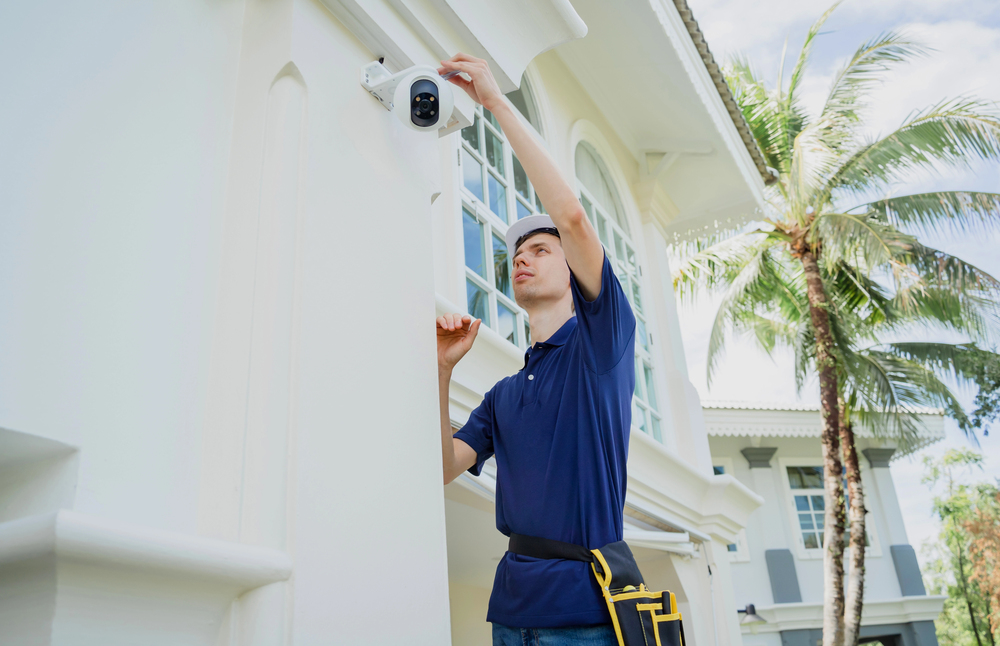
Every time a homeowners' association postpones an inspection, it assumes a greater economic risk than it seems. Preventing failures in community installations —plumbing, electricity, elevators, and HVAC— is not just a matter of convenience for the residents: it is, above all, a financial decision. Data from the Spanish insurance sector confirms that unanticipated failures are, by far, the largest source of unexpected expenses in residential buildings.
The Hidden Cost of Not Preventing: What the Data Says
Water damage claims remain the leading cause of claims in Spanish homeowners' associations, and their economic magnitude is hard to ignore. According to UNESPA, in 2024 water damage accounted for 4.6 million claims, 43% of the total, and 2.035 billion euros paid, more than any other type of insured property claim. The frequency is such that every 46 seconds, an incident of this type occurs in Spain, resulting in almost 700,000 euros in daily repair costs, five times more than the second leading cause of claims in common areas.
Moreover, the problem is not static: the frequency of DANAs and torrential storms has raised water-related home claims to 50% of all recorded damages in Spanish homes. This means that sanitation and drainage systems, often overlooked in maintenance plans, are gaining prominence as a risk factor.
Plumbing: The Silent Origin of Major Community Expenses
The plumbing network —downspouts, risers, main pipes, and tanks— is responsible for most of these claims when the origin is a common element. Downspouts, risers, the main network before the meter, building tanks, and common parking installations: when the origin is a common element, the homeowners' association insurance pays. However, when the failure originates in a private dwelling, the responsibility —and cost— falls on the affected owner, something that is not always clear until the damage has already occurred.
Industry specialists are clear: a good maintenance policy for the building's sanitation network is essential to prevent dampness, leaks, and seepage. Regularly checking the condition of the main pipes, detecting corrosion points, and anticipating replacements before they become active leaks is, in practice, the difference between a scheduled, low-cost intervention and a claim that can affect several homes at once.
Electricity, Elevators, and HVAC: When Failures Paralyze the Building
Preventive maintenance is not limited to water. Failures in water, electricity, or gas networks affecting multiple neighbors must be resolved by the community, and their urgent nature requires action without planning, which usually increases the repair cost compared to a scheduled review.
In the case of elevators and water pumps, response speed has become a critical factor for many communities. The speed of response to events such as elevator failures, water pump failures, or automatic door closures has become a determining factor for many communities. Therefore, more and more communities value having permanent assistance providers who can intervene before the incident leads to a prolonged service outage or a safety risk.
Elements Where Preventive Maintenance Makes a Difference
- Main and differential electrical panels, to avoid frequent trips and fire risks.
- Elevator machinery and traction cables, subject to mandatory periodic inspections.
- Pumping stations and water tanks, especially in buildings with deficient supply.
- Centralized HVAC units, whose performance degrades without regular cleaning and inspection.
- Main pipes and downspouts, the main source of water claims in common areas.
From Reactive Repair to Planned Prevention
Many communities still operate under a purely reactive model: action is taken when something fails, almost always under urgent conditions and with less room to compare quotes. This approach not only increases the unit cost of each intervention but also multiplies the risk of a minor incident leading to a larger, more costly problem.
Adopting a preventive approach involves several practical changes:
- Schedule regular inspections per installation instead of waiting for an incident report.
- Document the intervention history to anticipate replacements before they fail.
- Have trusted professionals who know the building and can detect early warning signs.
- Annually review community insurance coverage and adjust it to the building's actual risks.
To make this leap, having verified providers with agile response capabilities is key. In the ForConnect professional directory, you can find specialists in plumbing, electricity, HVAC, and other community installations, already evaluated by administrators and communities like yours.
Make Prevention a Routine, Not an Exception
Preventive maintenance of community installations does not completely eliminate the risk of failure, but it significantly reduces its frequency, severity, and cost. Compared to a model where each incident is resolved in isolation and urgently, planning regular inspections allows property managers and homeowners' boards to anticipate problems, negotiate better conditions with professionals, and protect the community's reserve fund.
If your community still operates based on occasional repairs, it's time to move towards planned prevention. At ForConnect, we help you find the right professional for each installation: request a quote and start building a maintenance plan that reduces failures and costs in the long term.