Sustainability is no longer just a label on the facade, but a daily management task that directly affects the budget and coexistence of any community of property owners. Water saving in community buildings, early leak detection, proper waste separation, and the arrival of electric mobility to the community garage are now four fronts that no property manager can overlook.
Water Saving in Community Buildings: From Emergency to a Culture of Responsible Use
Catalonia has recently experienced a stark reminder of what it means to manage water under pressure. The Minister of Territory announced the end of restrictions for most of the community, following a period described as the most severe drought in the last 200 years and 56 months with below-average rainfall. The Catalan Water Agency itself reminds us that drought is a cyclical phenomenon that has caused five episodes of scarcity in the last twenty years, so the relaxation of restrictions should not translate into relaxing habits.
For a community of neighbors, this translates into very specific measures that no longer depend on emergency decrees, but on common sense and maintenance:
- Install aerators or low-flow devices on faucets and showers in common areas.
- Regularly check cisterns and irrigation valves in gardens and landscaped areas.
- Schedule irrigation during low evaporation hours and consider drip systems.
- Raise awareness among the homeowners' association about the actual consumption reflected in each community bill.
These actions, in addition to reducing the collective bill, prepare the building for future episodes of scarcity, which the Catalan experience shows are not exceptional but recurrent.
Leak Detection in the Building: Technology That Prevents Surprises (and Bills)
An undetected leak in time is probably the most expensive and contentious breakdown a community can suffer: dampness in lower floors, claims between neighbors, and skyrocketing bills. Late detection can cause structural damage, unexpected increases in bills, and conflicts among neighbors, something any administrator has experienced at some point.
The good news is that technology has advanced significantly in this area. Smart devices, such as sensors connected to Wi-Fi networks, allow for real-time monitoring of abnormal consumption and automatically alert to any significant deviation. This is complemented by the use of non-invasive techniques: infrared thermography allows for the identification of hidden dampness behind walls without construction work, facilitating a precise diagnosis before visible stains or peeling appear.
For a community, investing in this type of community monitoring (smart meters, sensors in utility rooms or critical downspouts) often pays off quickly compared to the cost of an emergency repair and the resulting damage to third parties. Having a plumber specialized in prior diagnosis, not just repair, makes the difference between a minor incident and a major work.
Waste Management: Obligations That Have Already Reached the Entrances
The third pillar of a sustainable building is often the most overlooked: waste. Spanish regulations have significantly expanded the obligations for separation at source. Law 7/2022, on waste and contaminated soils for a circular economy, modifies collection models by expanding the fractions for which separation is mandatory, and from 2024, separate collection of bio-waste is mandatory, already required since 2022 in municipalities with more than five thousand inhabitants.
In practice, this forces many communities to rethink their waste rooms and incorporate new fractions. Some solutions already seen in entrances and common areas include battery and toner containers, used oil collection points to prevent it from being poured down the sink, and even community composters in properties with gardens. These are not aesthetic whims: they prevent blockages in downspouts, reduce municipal fines, and facilitate the real recycling of materials.
The underlying challenge is structural: the implementation of separate collection in Spain has grown insufficiently, barely 1.8% annually in recent years, which anticipates that local ordinances will continue to tighten and that communities that get ahead will avoid surprises in the waste tax.
Electric Mobility in the Garage: The Piece That Completes the Sustainable Circle
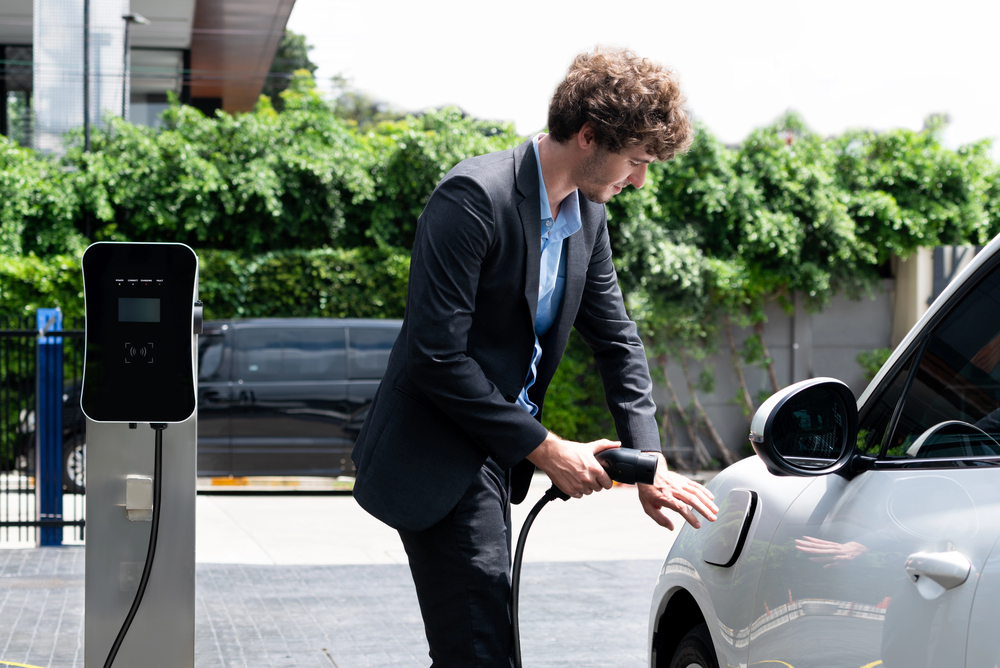
No building sustainability strategy is complete without addressing mobility. More and more communities receive occasional requests from neighbors to install an individual charging point, and the trend indicates that this demand will continue to grow with the electric vehicle fleet. Beyond the technical debate on contracted power or cost distribution in community garages, what matters for the administrator is integrating this infrastructure within a global vision: water, waste, energy, and mobility are part of the same sustainability plan for the property, and planning them together avoids improvised decisions and duplicated costs in the medium term.
A Sustainability Plan, Not Isolated Measures
Water saving, leak detection, waste management, and electric mobility cease to be isolated problems when addressed as part of the same building sustainability plan, reviewed in assembly and with trusted professionals in each specialty. If your community needs to take the next step, in the ForConnect professional directory you will find plumbers, installers, and efficiency specialists already verified for your area. And if you already know what your property needs, you can request a quote in just a few minutes and compare proposals without relying on word of mouth.