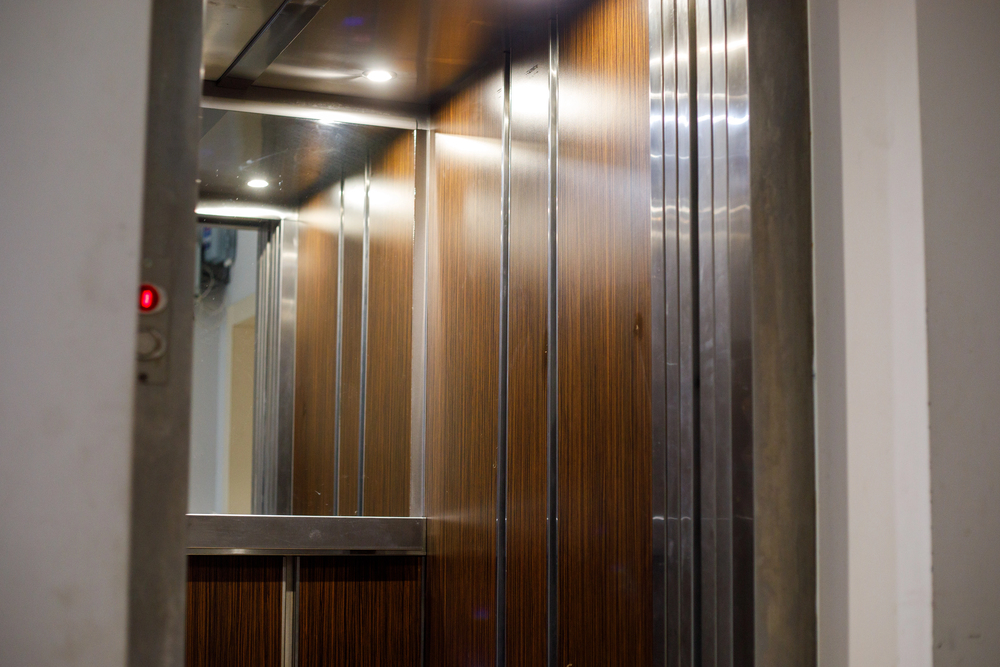
An elevator that frequently breaks down, makes strange noises, or does not stop correctly on each floor can become a problem for the entire community. In addition to daily inconveniences, these issues may indicate that some components of the installation need a review or an update.
However, modernizing an elevator does not always mean completely replacing it. In many cases, it is possible to renew certain elements to improve safety, functionality, and accessibility without having to install new equipment.
For property managers and homeowners' associations, knowing when to take this step is important to avoid recurring repairs and properly plan the investment.
How to know if an elevator needs modernization?
Elevators are designed to operate for many years, provided they receive proper maintenance. However, continuous use, component wear, and regulatory changes may necessitate updates.
There are some signs that may indicate it is time to consider modernization.
Increasingly frequent breakdowns
When a community has to repeatedly call technical service to solve similar problems, it is advisable to investigate the cause.
A one-time breakdown does not necessarily justify a renovation, but if repairs are constant, it may be more convenient to renew the component causing the issues.
Problems with doors or stops
Doors that do not close properly, abrupt movements, or level differences between the cabin and the landing are situations that require a technical review.
Especially important is the stopping precision, as a level difference can cause tripping and hinder access for people with reduced mobility.
Old or hard-to-replace components
Some elevators continue to operate with maneuver systems or parts that may be difficult to repair.
When spare parts are scarce or components show significant wear, modernization can help improve the reliability of the installation.
Which parts of an elevator can be modernized?
Modernization can be partial or comprehensive, depending on the condition of the equipment and the building's needs.
The control panel is one of the elements that can be updated. It controls the elevator's operation and coordinates different operations, such as stops, movements, and door openings.
The cabin and landing doors may also require intervention, especially when they present operational problems or need to adapt to applicable safety requirements.
The traction system is another component that can be renewed when its condition or performance justifies it. Depending on the installation's characteristics, an update can contribute to improving ride comfort and energy efficiency.
Finally, improvements can also be made inside the cabin, such as renewing lighting, buttons, indicators, or certain accessibility elements.
Not all these interventions are necessary for every elevator. Therefore, before deciding, a technical assessment is needed to identify the real problems.
What does the regulation say about old elevators?
The regulation is one of the factors that communities must consider when evaluating modernization.
Royal Decree 355/2024 approved the Complementary Technical Instruction ITC AEM 1, which regulates maintenance, inspections, modifications, and various measures aimed at increasing the safety of existing elevators.
This regulation came into force on July 1, 2024, and has been subject to subsequent modifications.
Among the issues it addresses are improving stopping precision, protection against certain door movements, load control devices, and other safety elements.
This does not mean that all old elevators must be replaced. Mandatory actions and timelines depend on the characteristics of each installation and the assumptions established by the regulation.
For this reason, it is advisable for the property manager to review inspection reports and any pending adaptations with the maintenance company.
Modernize or completely replace the elevator?
This is one of the most common questions when a community starts accumulating repair expenses.
The answer depends on several factors: age, component condition, spare part availability, accessibility needs, and the cost of actions.
When the main structure and most systems are in good condition, a partial modernization may be sufficient.
However, if the elevator has widespread problems, significant limitations, or needs to replace a large number of components, it may be advisable to consider a comprehensive renovation.
Future needs of the building should also be considered. A community with elderly or mobility-impaired individuals may require accessibility improvements that go beyond a simple repair.
The most important thing is not to make the decision solely based on the initial budget price.
Preventive maintenance remains essential
Modernizing an elevator does not eliminate the need for proper maintenance.
In fact, an updated installation also needs periodic reviews to detect wear, check safety systems, and ensure its operation.
Preventive maintenance allows identifying potential issues before they become major breakdowns.
Moreover, regulatory inspections are independent of ordinary maintenance and must be carried out according to the timelines applicable to each type of building.
For property managers, having a record of incidents, repairs, and inspections facilitates investment planning and helps justify decisions to the homeowners' association.
The vision of Ascensors EBYP: solutions tailored to each building
No two buildings are exactly alike, and this is also reflected in elevator installations.
Ascensors EBYP is a company based in Terrassa that, according to information published on their website, has over 35 years of experience in the sector.
Their activities include the assembly, maintenance, repair, and modernization of elevators, as well as solutions for lifting platforms and freight elevators.
One of the aspects the company highlights is the adaptation of installations to each client's needs. This customization is especially relevant in existing buildings, where dimensions, available spaces, and construction characteristics can condition actions.
EBYP also offers remote maintenance services, a technology that allows certain elevator operating parameters to be monitored remotely.
This type of tool can complement on-site reviews and facilitate technical monitoring of installations.
What should a community review before approving the renovation?
Before contracting a modernization, it is advisable to have a clear technical proposal that explains which components will be changed and why.
The property manager should ensure that the budget details the scope of work, possible regulatory adaptations, execution timelines, and guarantees.
It is also important to know how long the elevator will be out of service, especially in buildings where people with reduced mobility live.
Finally, it is necessary to differentiate mandatory improvements from optional ones. This distinction helps the community prioritize actions and make informed decisions.
Ascensors EBYP and ForConnect
Ascensors EBYP is part of the ForConnect network of professionals, a platform that connects property managers, homeowners' associations, and individuals with specialized companies.
With service coverage in Catalonia, EBYP offers solutions related to elevator maintenance, repair, installation, and modernization.
If your community needs to review an old elevator, consider modernization, or find a specialized maintenance service, at ForConnect you can contact verified professionals and request advice or a quote.